
Exercising Safely at Home: What Support Should Include
A plain-language guide to choosing a suitable space, understanding your plan and knowing when to pause and ask for help.
By the ThrivBeats editorial team · Founder/clinical review pending
Prepared and last updated: 20 August 2026 · 6 minute read
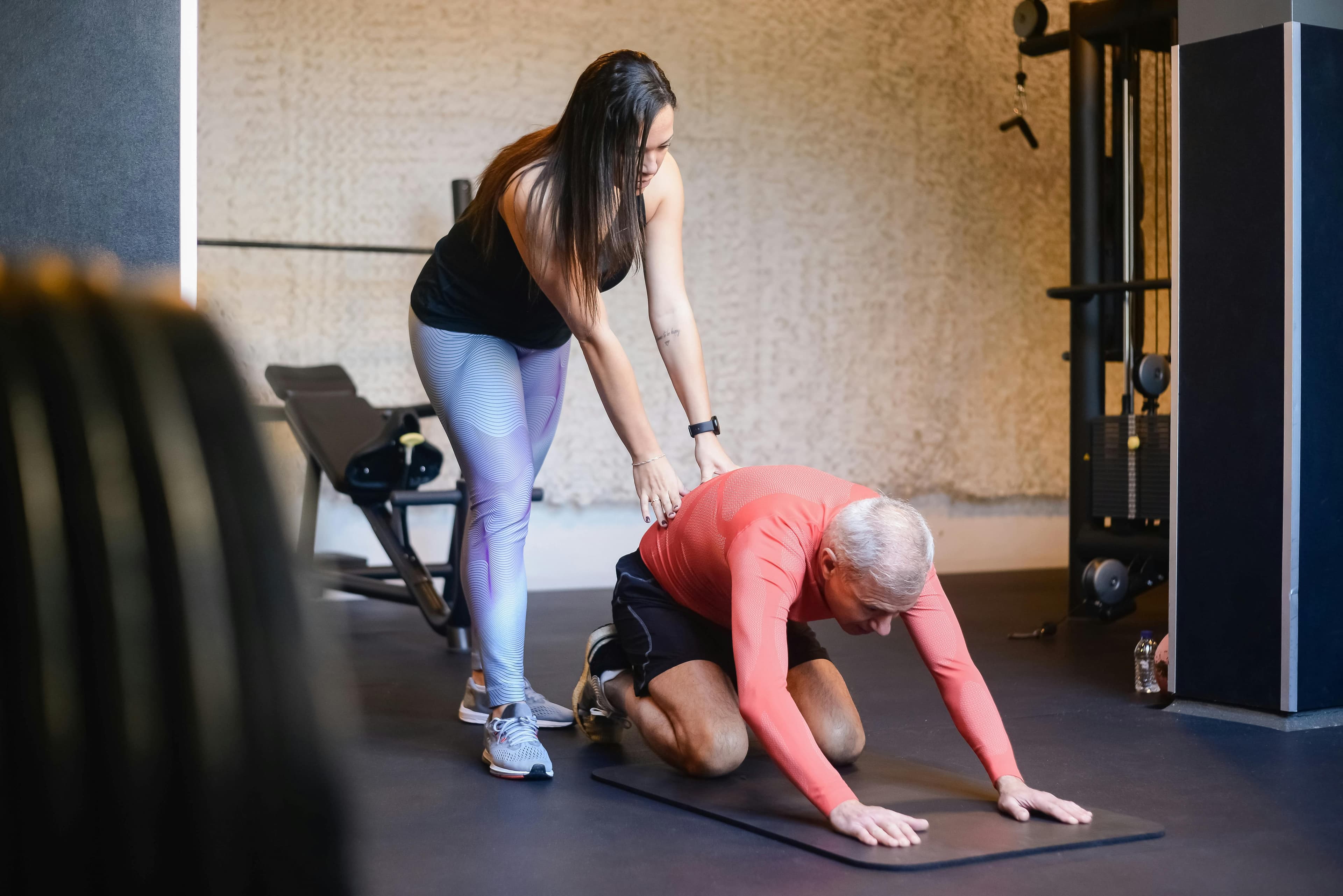
Make the environment work for you
Choose a clear, well-lit space with enough room for the movement. Keep anything you may need within reach and make sure a chair or other support is stable before relying on it.
Wear clothing and footwear that let you move comfortably. If your plan uses equipment, check it is in good condition and set up as instructed.
Know the purpose and the options
Good support should show you what the exercise is for, demonstrate its key points and offer an appropriate variation where possible. Start from the level prescribed for you rather than copying somebody else’s pace.
If an instruction is unclear or the movement consistently does not feel right, pause and ask the professional who supplied your plan.
Know when to stop
Stop exercising if you feel unwell or develop severe, sudden or worrying symptoms. Seek urgent medical help when appropriate. This guide cannot assess symptoms and is not a substitute for medical care.
For non-urgent difficulties—such as an exercise feeling too hard, too easy or impractical—record what happened and arrange a review.